Sometime in 2023, I accompanied colleagues on an outreach mission for civic engagement where we launch our special report, Rights and Traditions. This was and remains a very sensitive topic and we were eager not to simply preach to the converted. We wanted traditional leaders from the area to attend the meeting and buy into the ideas that we were promoting in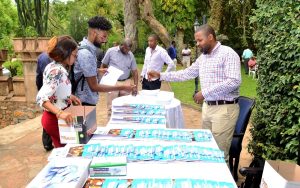

On arriving at the venue, we found the venue packed with traditional leaders from different villages. A good number of them were staunch supporters of the ruling party. Here they were, committed to the conversation and contributing actively and making suggestions, even accepting criticism from their communities.
We were grateful to our local mobiliser, Mr. Sibanda whose mobilising capacity had led to the success of the meeting. Throughout the meeting, Mr. Sibanda dominated the meeting. He was an imposing character with great pride. He was not a facilitator, but he behaved like one. When he had an idea, Mr. Sibanda did not wait for his turn. He would simply stand up and address the meeting while walking to the front, effectively taking over the chair. After sharing his views, he would walk back to take a sit, only to return in the next 10 minutes. This annoyed my colleagues who looked up to me to reprimand him and bring the meeting to order. I did not. I listened carefully to his views and weaved them into the conversation to make a point.
Despite Mr. Sibanda’s interruptions, the meeting was lively, engaging and a huge success. We ended the meeting with a group picture outside the venue before we went to Mr. Sibanda for lunch. He slaughtered a goat and made sure everyone enjoys the meal and feels at home. I took some nice pictures and could not believe that we received so much support from a community that had always been suspected to be opposed to our work.
As we drove back to the office, we did a review of the meeting under different categories. We score ourselves highly especially in the area of mobilisation. On facilitation, there was a debate in the team with others believing that we had gotten something wrong. Mr. Sibanda was a great mobiliser, the team agreed, but he was very disruptive and in future we need to reprimand him, argued the other.
Before, I weighed in, I listened carefully to the conversation. It became very clear in my mind that this was a learning moment.
I joined the conversation and told the team about my relationship with the late Dr. Magaisa. I spoke about how Dr. Magaisa had always made himself available to everyone and would not think twice before answering your call. I thought I had a special unique relationship with Dr. Magaisa. At his funeral, I led the CLC in declaring him the people’s hero. I later discovered that there were maybe over a hundred people who had close relations with Dr. Magaisa and everyone of them felt they had a uniquely special relationship, the same way I did.
At his funeral, some tensions became visible. His family felt his other friends were pushing too much and leaving them with little influence. I was at a meeting that was criticising the family for some of their decisions. I understood something. For someone to give to the world as much as Dr. Magaisa gave to the nation, they have to be taking from somewhere. In his case, he was taking from the family. They did not spend the quality time they wanted to because he had to attend to all of us and give the nation his very best. Nelson Mandela said, You can only choose either to be the father of a nation, or to be a father to your family. You cannot do both. At the moment of tension, I had the Magaisa family’s unspoken words, You took him from us in his life. Just allow us to have him in this final moment.
As I reflected on this story, I thought, this is true of all of us. There is no giving without sacrifice. And there is no receiving without compromise. This is the nature of life. Only God possesses perfect beauty. The rest of creation is imperfect. We must weigh what we need, receive it with grace and thank God and ask him, in his mercy to complete what is lacking. When someone gives you something really good, thank them because even if you do not see it, there is a sacrifice behind it. Many time we do not see the sacrifice. We do not see the tears. We only see the smiles and the charm. But when we see the tears, the thorns around the roses, the imperfections, those too, we must embrace because they are the labour that shapes the beauty, the cross that shapes the resurrection light.
I told my colleagues, that maybe we should accept Mr. Sibanda’s shortcomings. His way of relating with his community is what gives him the influence to be a great mobiliser. If we take that away from him, we may be taking away that which produces that beauty in him.
Enduring that disruption is a small price to pay for his huge contribution to movement building.
This is true of our lives. While we are made in the image of God, we are not as perfect as he is. We are roses with a lot of thorns around us. Many times, we are tempted to pretend that these thorns do not exist. And that we are all good. Relationships become superficial and we lose our authenticity. In other circumstances we fail to see the roses as we fixate on the thorns. We become toxic and negative.
As we share our stories, it takes bravery to also embrace the thorns in our beautiful stories and share then with hope that our community will show compassion and not judgment. It is authenticity, and compassion that strengthen relationships and strengthens teams.
A lady called Margate Mary wrote that she had a vision of Jesus Christ. He was stretching out his arms. She said she saw the wounds from the crucifixion on his born. They were bright, shining like five suns on his body.
Our wounds are beautiful.